

8 Ways to Reduce Falls in People Living with Dementia

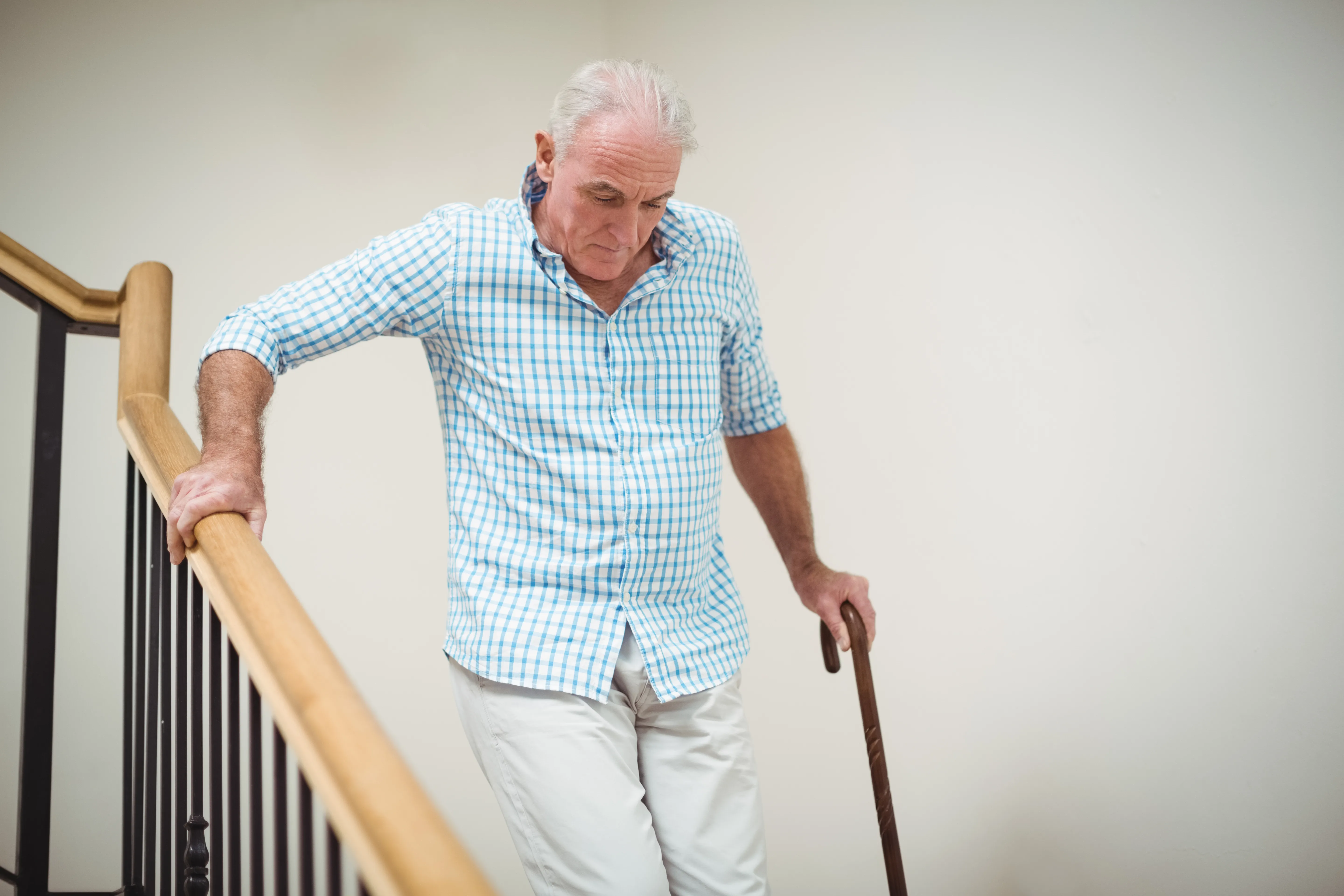

Did you know, falls are the most common accidents among adults 65+, and they’re the leading cause of injury-related hospital stays? For people living with dementia, the risk doubles due to changes in memory, balance, and mobility—and certain medications can raise that risk even further by causing dizziness, confusion, or drowsiness.
The good news? Small, practical changes can make a big difference in keeping your partner safe at home.
Here are 8 strategies to help reduce fall risks:
1. Encourage proper footwear indoors and outdoors
Well-fitted, non-slip shoes provide stability and support. Avoid backless sandals, slippers, or socks that can slide on smooth floors.
2. Review medications regularly
Certain medications—or combinations of them—can cause dizziness, confusion, drowsiness, or balance issues. Schedule regular reviews with your partner’s doctor or pharmacist.
3. Schedule annual eye exams (and follow recommendations)
Vision changes—like cataracts, glaucoma, or needing a stronger prescription—can make it harder for your partner to navigate their environment ands see obstacles clearly. Regular exams and following through with updated glasses, treatments, or recommendations can lower fall risks.
4. Improve lighting throughout the home
Dark corners, shadows, and glare can all increase fall risk. It’s not just about brighter bulbs—it’s about consistency. Aim for even lighting from room to room to reduce shadows and glares. Also, consider placing motion-sensor lights in entryways, hallways, and bathrooms so your partner doesn’t have to fumble around for a switch at night.
5. Keep pathways clear
Clutter, loose rugs, and cords can easily lead to a fall. Maintain clear, open walkways throughout the home.
6. Reduce visual and auditory clutter
Busy patterns, loud noises, or too many objects in one area can cause confusion or distraction. Simplify the environment to help your partner navigate their surroundings more safely.
7. Install grab bars and adaptive equipment in the bathroom
Bathrooms are one of the most common places for falls. Grab bars, toilet rails, raised toilet seats, and shower chairs can provide extra stability and support.
8. Use high-contrast colors
Contrasting colors make it easier for your partner to see where one surface ends and another begins. For example, applying anti-slip floor tape in a bright, contrasting color to the edge of stairs can help prevent missteps, or using a toilet seat that stands out from the bathroom floor can make using the toilet safer.
Even small adjustments can make a big impact on safety and peace of mind.



Leave us a review.
We love hearing from you.
Every review helps us reach and help more caregivers like you.